
Cities@Heart takes stage at the global Healthy Cities conference in Sydney
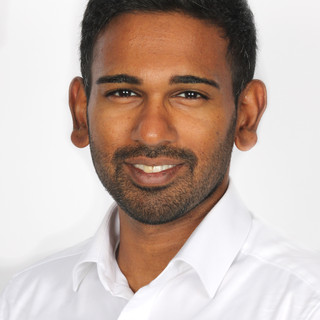
Birmingham City's Director of Public Health, Sally Burns, presented Cities@Heart at the 11th Global Conference of the Alliance for Healthy Cities (AFHC 2026) in Sydney, Australia. The conference ran from 1 to 3 September and marked 40 years since the Ottawa Charter for Health Promotion.

WHO Alliance for Healthy Cities Conference
The three-day conference was hosted by the UNSW Cities Institute and Healthy Cities Australia. It brought together mayors, policymakers, practitioners, researchers, and community members from across the Asia-Pacific region and beyond. The Alliance for Healthy Cities is an international network that works to protect and improve the health of people living in cities. Its global conference is a forum for sharing what works in urban health.
Sally Burns, Director of Public Health at Birmingham City Council, presented Cities@Heart to this international audience. She came away struck by how much cities have in common, despite their different health systems.
"Really interesting to understand different systems but everyone struggling with the same inequalities and challenges," said Burns.
Equity, Innovation and Action
This year's theme was "Healthy Cities for All: Equity, Innovation and Action".
It was explored through five sub-themes:
Indigenous and traditional knowledge systems for healthy cities
Liveable high-density cities and the challenges of urbanisation
Financing, governance, and empowering local leadership
Urban climate resilience and planetary health
Demographic change and health across the life course
Forty years of the Ottawa Charter
The 2026 conference also marked the 40th anniversary of the Ottawa Charter for Health Promotion, and with it the birth of the WHO Healthy Cities movement.
The Charter was adopted on 21 November 1986 at the World Health Organization's First International Conference on Health Promotion in Ottawa, Canada. It changed how health was understood. Rather than treating health mainly as a matter of medical care or individual lifestyle, it described health as "a resource for everyday life". It recognised that health is shaped by the places where people live, work, and play.
The Charter set out five areas for action:
Building healthy public policy
Creating supportive environments
Strengthening community action
Developing personal skills
Reorienting health services towards prevention and health promotion
Delegates in Sydney looked back on how far that vision has been put into practice over four decades, and what still needs to be done.
Follow us
Follow Cities@Heart on LinkedIn for more regular updates on our activities, our partners' activities and upcoming events.


Comments