
Prevention starts where we live: Cities@Heart on the ESC podcast
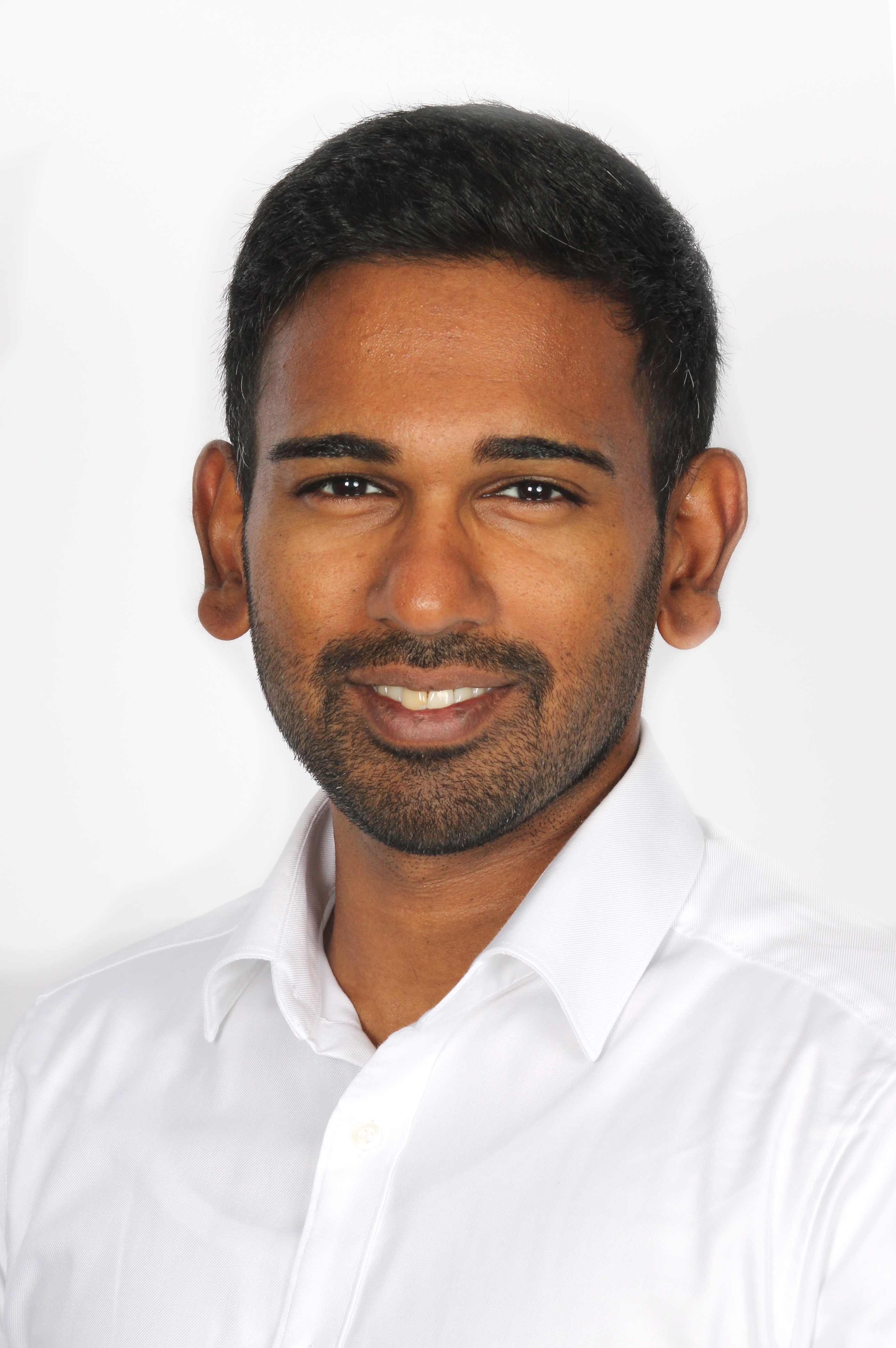
In a new podcast from the European Society of Cardiology (ESC) recorded at the ESC Congress 2026, Cities@Heart Director Prof Dipak Kotecha and Industry Lead Franck Perraudin discuss why cities hold the key to preventing cardiovascular disease, and how a public-private partnership plans to make that happen.

The episode, "From healthy cities to healthy hearts: rethinking cardiovascular health in Europe", is available on ESC 365. It brings together two perspectives on the project: Prof Kotecha, Professor of Cardiology at the University of Birmingham and UMC Utrecht, and Franck Perraudin of Novartis, who led the industry partners in Cities@Heart since the project began.
Why cities?
The conversation starts with a simple question: why does where someone lives matter so much for their heart health?
For Prof Kotecha, the answer lies in health inequalities.
"There's a huge issue that's coming to all of us across the ESC and Europe, which is this problem of health inequalities, and it's really driving cardiovascular disease and poor outcomes,"
he explains.
He points to Europe's rapid urbanisation, which brings its own challenges for the four main drivers of cardiovascular disease that Cities@Heart focuses on: obesity, blood pressure, cholesterol, and diabetes. Tackling these at city level, he says, is
"an opportunity to really get to grips with cardiovascular disease and cardiovascular mortality in these urban environments."
Building on the WHO Healthy Cities Network
All seven Cities@Heart pilot cities (Belfast, Birmingham, Cork, Izmir, Łódź, Udine, and Utrecht) are part of the WHO European Healthy Cities Network. Prof Kotecha explains that the network brings the political and municipal commitment the project needs. It also offers a route to wider impact:
"when we find something that works, that we can robustly evaluate it, but then have a direct route to scaling this."
He stresses that any effort to address inequalities and cardiovascular disease depends on involving the people most at risk, so they can help to co-design solutions. Cities@Heart will also set up a dedicated citizens' council to advise the project.
Technology that closes the gap, not widens them
Franck Perraudin raises a familiar concern: digital tools and artificial intelligence are often promoted as a way to reach more people, but they can also leave behind those without smartphones, data access, or digital literacy.
Prof Kotecha sees "two sides of that coin". Health technology can empower people at risk to take control of their own care and prevention, but only with the right support.
"We need to ensure that we have good digital training, we have good digital literacy, that we really invest in campaigns for awareness,"
he says.
A multi-stakeholder approach
Asked why a pharmaceutical company would want a role in a city-focused project, Franck Perraudin is clear that no single organisation can solve the problem alone. He says:
"Tackling cardiovascular mortality and the burden on the healthcare system cannot be solved by one actor alone. We need to understand the reality of the life of a patient suffering from cardiovascular diseases to know where as an industry we can contribute."
For that reason, the project has been designed over five years, with partners from academia, public health, municipalities, professional organisations, and industry.
Co-creation with citizens, he adds, matters for both trust and impact.
"We want to ensure that this solution will be used, that will be effective in the environment where they will be proposed,"
he says. That means working with patient groups, with patients, with cities, because they own the infrastructure.
Looking ahead
Prof Kotecha describes Cities@Heart as "an opportunity", and says it is up to everyone in the partnership to make it a reality.
A key measure of success, he says, will be the project's impact on cardiovascular disease prevention, "which is currently pretty much an afterthought in most of our health systems." He notes that "most of our health systems are focused around disease management rather than disease prevention."
To close the episode, Franck Perraudin asks listeners to help raise awareness of the burden of cardiovascular disease, and suggests that anyone who isn't a healthcare professional start by getting to "know your numbers". He also invites companies interested in joining forces with the project to get in touch through the Cities@Heart website.
Follow us
Follow Cities@Heart on LinkedIn for more regular updates on our activities, our partners' activities and upcoming events.


Comments